WHMIS vs TDG canadian visual differences apps online apps
They are two different Canadian systems for two different settings. WHMIS labels chemicals in the workplace, with its own pictograms in red-bordered diamonds. TDG governs dangerous goods in transport, using the international hazard-class diamonds (the same ones used for CDL placards). One is for the worksite, the other for the road, so the symbols differ.
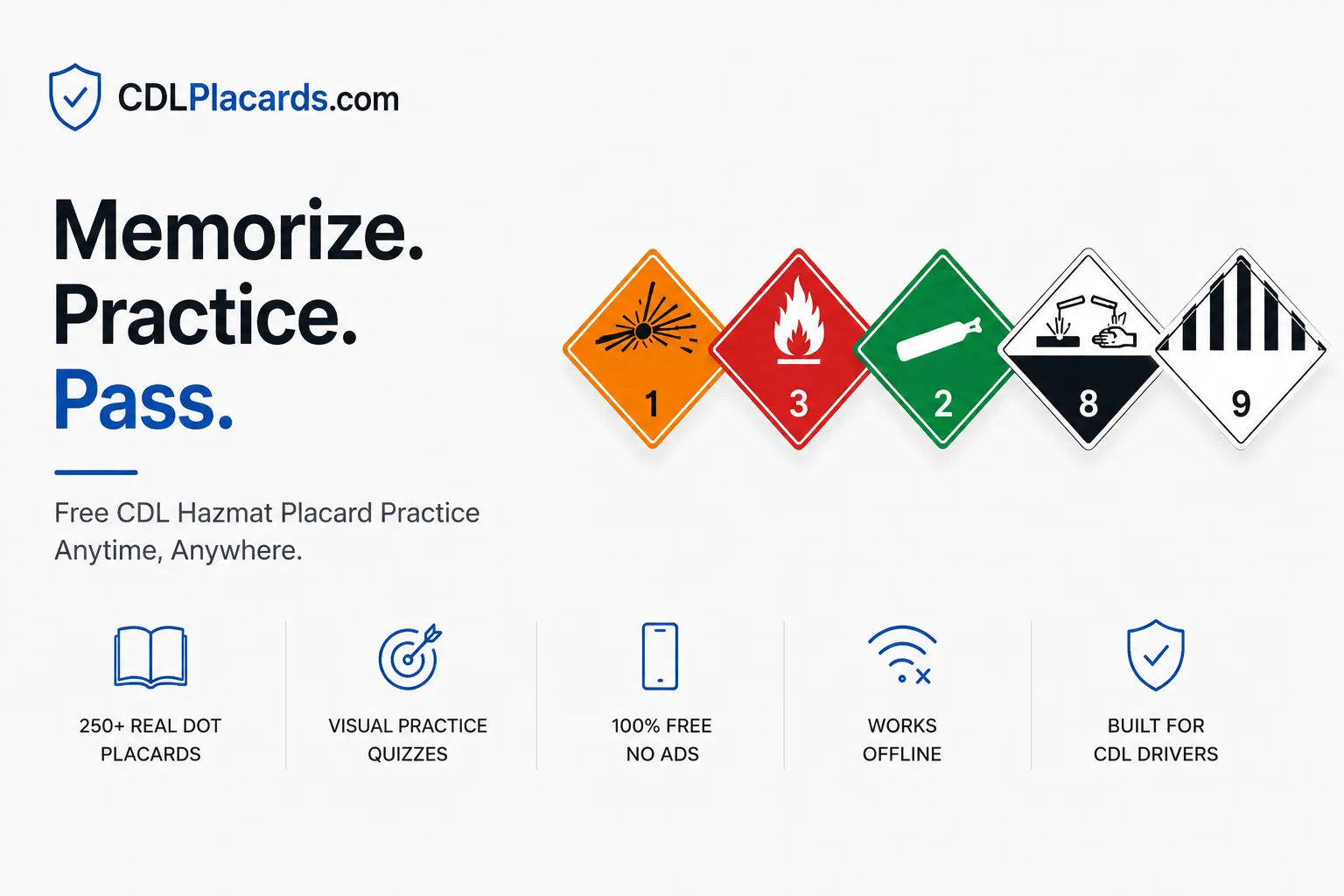
Two systems, two purposes
Canada uses different hazard-communication systems depending on where the chemical is. In the workplace, it is WHMIS. In transport, it is TDG. They overlap in spirit, both warn about hazards, but they use different symbols and serve different audiences, which is why comparing them directly can be confusing.
WHMIS: the workplace system
WHMIS, the Workplace Hazardous Materials Information System, labels chemicals used on the job. It is aligned with the globally harmonized system and uses pictograms set in a red-bordered diamond, such as a flame, a corrosion symbol, or a health-hazard symbol, along with safety data sheets. It is about protecting workers handling chemicals at a site.
TDG: the transport system
TDG is the one that matches CDL placards:
| WHMIS | TDG | |
|---|---|---|
| Setting | Workplace | Transport (road, rail, etc.) |
| Symbols | GHS pictograms, red-bordered diamonds | Nine-class hazard diamonds |
| Companion info | Safety data sheets | Shipping documents |
| Like the US | Like US workplace (GHS) labels | Like US placards (49 CFR) |
WHMIS is for the worksite; TDG is for transport. Confirm each system in the official Canadian sources.
Why the placard knowledge maps to TDG
Because TDG uses the international hazard-class diamonds, the placard recognition you study for a US CDL transfers almost directly to TDG. WHMIS, by contrast, uses the GHS workplace pictograms, which look different (a hazard might be a red-bordered diamond with a specific symbol). So if your focus is transport placards, TDG is the matching system.
How to study and verify
Keep them in separate mental boxes: WHMIS equals workplace pictograms and safety data sheets, TDG equals transport diamonds and shipping papers. For transport placard recognition, treat TDG as the Canadian counterpart to US placards. Because both systems have detailed rules that can change, confirm the current requirements with the official Canadian WHMIS and TDG sources.
Frequently asked questions
- What is the difference between WHMIS and TDG?
- WHMIS is Canada's workplace chemical labeling system (GHS pictograms in red-bordered diamonds, with safety data sheets). TDG governs dangerous goods in transport, using the international nine-class hazard diamonds. Workplace versus transport. Verify with the official Canadian sources.
- Which Canadian system matches CDL placards?
- TDG, because it uses the same international nine-class hazard diamonds used for US placards. The recognition skill transfers almost directly to TDG.
- Is WHMIS used in transport?
- No. WHMIS is for the workplace. Once dangerous goods are in transport, TDG applies, with its hazard-class diamonds and shipping documents.