RTA theory heavy dangerous signs vehicle memory trick tool visual free check test tools
The best memory trick for the dangerous goods signs is to learn each hazard class as a color tied to a meaning, then anchor it with a short association. Red is fire (flammable), green is go-safely (non-flammable gas), yellow is the sun feeding fire (oxidizer), orange is a blast (explosives), blue is water danger (dangerous when wet). Color first, then the symbol and number confirm it.
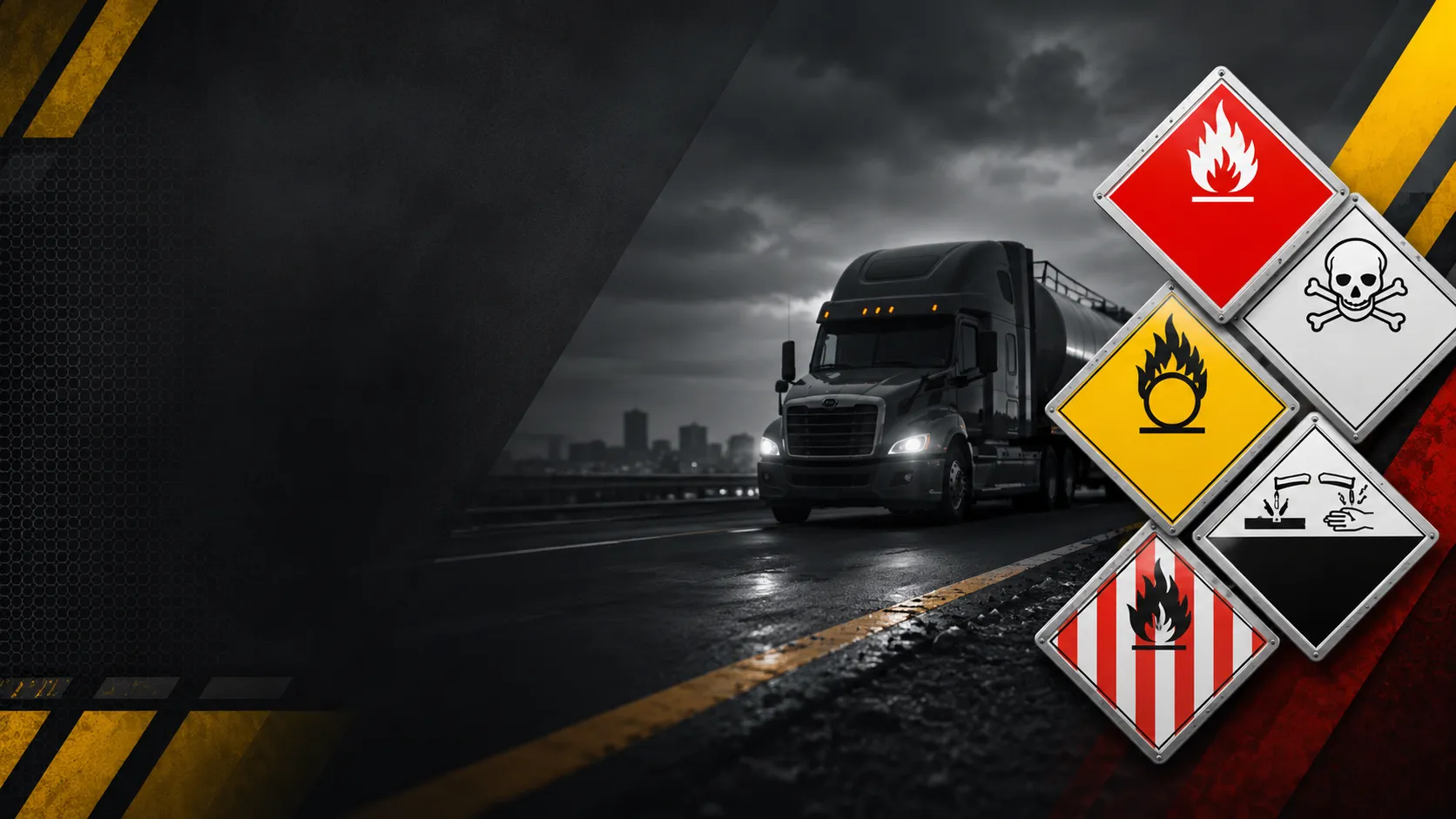
Color is the hook
The fastest memory trick is to make the color do the heavy lifting, because color is the first thing you see on a sign. Tie each color to a vivid idea so it sticks: the moment you register the color, the hazard family should come to mind, before you even read the symbol or number.
Color-to-meaning associations
Anchor each class with a short hook:
| Color | Memory hook | Hazard |
|---|---|---|
| Orange | A blast | Explosives (1) |
| Red | Fire | Flammable liquid / gas (3, 2.1) |
| Green | Go, safe gas | Non-flammable gas (2.2) |
| Yellow | Sun feeding fire | Oxidizer (5) |
| Blue | Water makes it worse | Dangerous when wet (4.3) |
| White + skull | Poison | Poison / toxic (6.1, 2.3) |
| White over black | Acid eats metal | Corrosive (8) |
Hooks are study aids; the symbol and number confirm the class. Verify with the official materials.
Chunk the nine into groups
Rather than nine separate facts, group them: the fire family (red flammable, orange explosive, yellow oxidizer all relate to burning), the gas trio (red, green, white Class 2), and the black-and-white pair (corrosive 8 and miscellaneous 9). Chunking turns a long list into a few memorable clusters, which is far easier to recall under test pressure.
Confirm with symbol and number
The color hook gets you to the family fast, but several colors are shared, so finish the read with the symbol and the class number. A skull splits poison from a plain white sign; the number splits poison (6) from toxic gas (2); the symbol and color split the black-and-white pair. The trick is color-first, then verify.
How to practice and verify
Drill the color hooks until each color instantly calls up its hazard, then quiz yourself on the symbol and number to split the look-alikes. Note that heavy-vehicle dangerous goods signs use the international UN diamond system, so these hooks apply broadly, but the authority on your specific theory test is the official RTA or licensing materials, so confirm the exact signs and rules there.
Frequently asked questions
- What is a good memory trick for dangerous goods signs?
- Tie each color to a vivid meaning (red fire, green safe gas, yellow oxidizer, orange blast, blue water-danger, white skull poison), then confirm with the symbol and number. Color-first recall is the trick. Verify with the official materials.
- How do I memorize the hazard classes quickly?
- Chunk them into groups: the fire-related family, the Class 2 gas trio, and the black-and-white pair, and anchor each color to a short association. Chunking beats memorizing nine separate facts.
- Do these signs work for any heavy-vehicle test?
- The dangerous goods signs use the international UN diamond system, so the color and symbol logic applies broadly. Always confirm the exact signs and rules with your official RTA or licensing materials.