Flammable liquid class 3 test vs combustible test difference pictures
They are both Class 3 liquids on a red placard with a flame, so the picture is the same. The real difference is the flash point: a flammable liquid ignites more easily (lower flash point), while a combustible liquid needs more heat (higher flash point). The placard wording, FLAMMABLE or COMBUSTIBLE, reflects that, not the image.
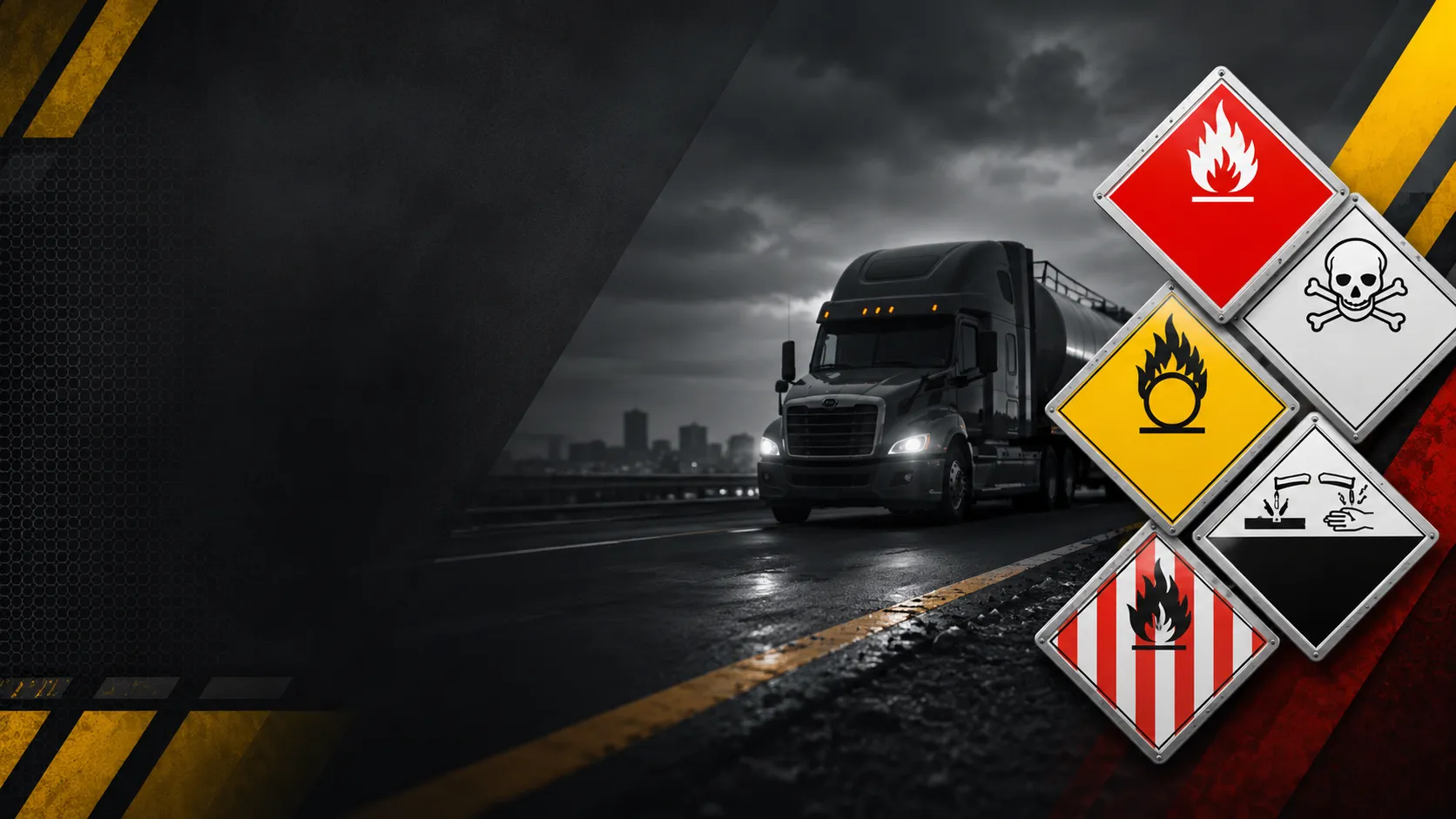
Same class, same picture
Comparing the pictures will not help you here, because flammable and combustible liquids share them. Both are Class 3, both use the red diamond, both show the flame symbol, and both carry a 3. So the visual is effectively identical, which is why people get stuck looking for a difference in the image.
Flash point is the real divider
The actual difference is the flash point, the lowest temperature at which a liquid gives off enough vapor to ignite. A flammable liquid has a lower flash point, so it can ignite at ordinary temperatures more readily. A combustible liquid has a higher flash point, so it needs more heat before it will ignite. Same family, different ease of ignition.
Flammable vs combustible
What changes and what does not:
| Flammable liquid | Combustible liquid | |
|---|---|---|
| Class | Class 3 | Class 3 |
| Placard | Red, flame, 3 | Red, flame, 3 |
| Word | FLAMMABLE | COMBUSTIBLE |
| Flash point | Lower | Higher |
| Ignites | More easily | Needs more heat |
| Example | Gasoline | Many diesel-type fuels |
Same Class 3 red flame placard; flash point and wording differ. Confirm the definitions in your official manual.
Why they share Class 3
Both are liquids that can catch fire, so the system groups them together in Class 3 with the red flame placard. Rather than splitting them into separate classes, the rules keep them together and let the flash point and the placard wording distinguish the easier-to-ignite flammable from the harder-to-ignite combustible.
How to study it
Stop comparing pictures and compare flash points and words instead. Remember flammable equals lower flash point and easier ignition, combustible equals higher flash point and needs more heat, and the placard says which. Pair gasoline (flammable) with a diesel-type fuel (often combustible) as your mental example. Verify the exact flash-point ranges in your official manual.
Frequently asked questions
- What is the difference between a flammable and combustible liquid?
- Both are Class 3 red placards with a flame. A flammable liquid has a lower flash point and ignites more easily; a combustible liquid has a higher flash point and needs more heat. The placard word tells you which. Confirm in your official manual.
- Do flammable and combustible placards look different?
- No, both are the red Class 3 diamond with a flame and a 3. The difference is the wording, FLAMMABLE versus COMBUSTIBLE, and the flash point behind it.
- What is a flash point?
- The lowest temperature at which a liquid gives off enough vapor to ignite. A lower flash point means flammable; a higher flash point means combustible.