Difference between lithium battery class 9 placard and generic class 9 on TDG test app
Lithium batteries are a specific case within Class 9, the miscellaneous class. The generic Class 9 placard is the white diamond with black vertical stripes and a 9, used for various miscellaneous hazards. Lithium battery shipments use that Class 9 placard plus a dedicated lithium battery mark on packages (showing batteries and a UN number). So lithium batteries are Class 9, with their own additional marking.
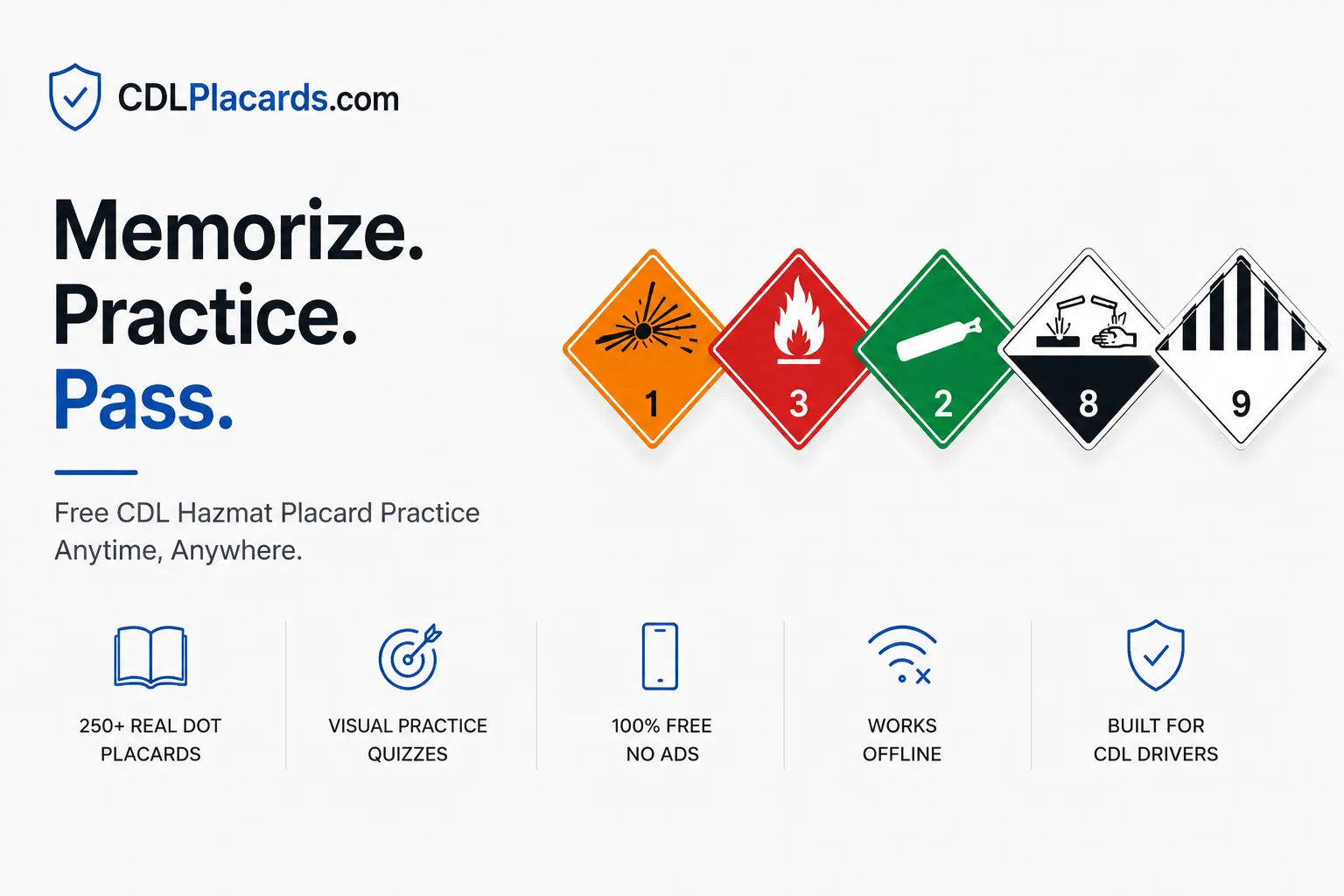
Class 9 is the miscellaneous class
Class 9 is the catch-all, miscellaneous class for hazardous materials that do not fit Classes 1 through 8. The generic Class 9 placard is white with seven thin black vertical stripes across the top and a 9, usually underlined, with no symbol. It covers a range of materials, dry ice, elevated-temperature materials, and lithium batteries among them.
Lithium batteries are a Class 9 case
Lithium batteries are regulated as Class 9, so they use that same striped placard. What sets them apart is an additional, dedicated lithium battery mark on packages: a rectangle showing a group of batteries and the relevant UN number. So a lithium battery shipment shows the Class 9 placard plus the battery mark, while a generic Class 9 load shows just the placard.
Generic Class 9 vs lithium batteries
What is the same and what is added:
| Generic Class 9 | Lithium batteries | |
|---|---|---|
| Hazard class | Class 9 | Class 9 |
| Placard | Striped white diamond, 9 | Same Class 9 placard |
| Extra marking | None specific | Lithium battery mark on packages |
| Examples | Dry ice, hot materials | Lithium-ion/metal batteries |
Lithium batteries are Class 9 with their own added mark. Verify the current rules in the regulations.
Why lithium batteries get a special mark
Lithium batteries carry a fire risk and have detailed, frequently updated rules, so they get a dedicated mark in addition to the Class 9 placard to flag exactly what the package contains. That extra marking is the practical difference between a lithium battery load and a generic Class 9 load, even though both are Class 9.
How to study and verify
Learn the generic Class 9 placard (striped white diamond, 9) and that lithium batteries are a Class 9 material with an added lithium battery mark on packages. Note this distinction appears in both US and TDG systems, which share the Class 9 diamond. Because lithium battery rules are detailed and change over time, confirm the current requirements in the regulations.
Frequently asked questions
- What is the difference between the lithium battery and generic Class 9 placard?
- Both are Class 9 and use the striped white diamond with a 9. Lithium batteries are a Class 9 material that also carries a dedicated lithium battery mark on packages (batteries plus a UN number). Same placard; the battery mark is the extra. Verify the current rules in the regulations.
- Are lithium batteries Class 9?
- Yes. Lithium batteries are regulated as Class 9 miscellaneous, using the striped Class 9 placard, plus a dedicated lithium battery mark on packages to flag the contents.
- What does the generic Class 9 placard cover?
- Miscellaneous hazardous materials that do not fit Classes 1 through 8, such as dry ice, elevated-temperature materials, and lithium batteries. It is white with black vertical stripes and a 9, no symbol.